

Cobalt bits are "better" than plain HSS only when you're pushing into hard, heat‑generating materials (stainless, tough alloy steels, cast iron) at higher speeds or in production‑type work; for general use, plain HSS is often the better choice.
What cobalt actually changes
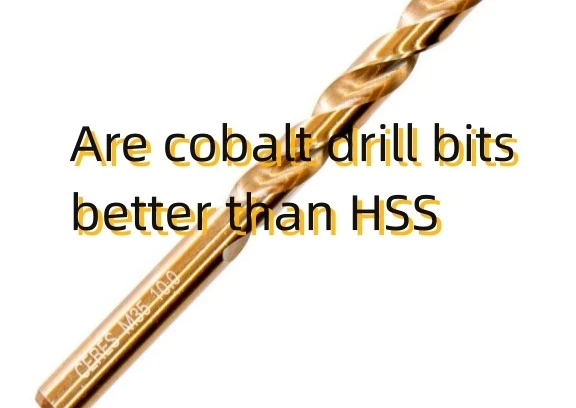
Cobalt steels (M35, M42, etc.) are still HSS, just alloyed with about 5–8% cobalt to increase hot hardness.
That extra hot hardness lets them keep an edge at much higher temperatures, so they tolerate more speed, more pressure, and less coolant when drilling hard metals.
The tradeoff is reduced toughness: they are harder and more brittle, so they chip or snap more easily if they snag or are misaligned, exactly matching your "explode when they snag" experience.
Where cobalt is "better"
Cobalt wins when:
You're drilling stainless, hardened steels, cast iron, or other abrasive, hard alloys.
You need tool life and throughput (higher SFM, longer runs, less sharpening) to matter more than bit cost and brittleness.
In that context cobalt's heat resistance and hardness mean:
Longer life before dulling.
Less sensitivity to overheating from marginal coolant or aggressive feeds.
Where plain HSS is "better"
Regular HSS is usually preferable when:
You're drilling mild steel, aluminum, brass, plastics, or wood.
The drill is hand‑held, the setup is a bit sloppy, or there's a real risk of catching the bit (thin sheet, rough starts, awkward angles).
In those cases HSS has advantages:
More toughness and "give," so it tends to bend or dull rather than snap if it grabs.
Lower cost and easy resharpening, which matters if you're happy to touch them up yourself.
Better value as a general‑purpose, do‑everything bit you don't have to baby.
Practical takeaways
Treat cobalt as a specialty consumable for hard metals and higher‑speed or production‑style work, not an upgrade for everything.
For most hand drilling and softer materials, stick with decent HSS and keep them sharp; they'll be more forgiving and cheaper to replace when you do catch a hole.
If you do use cobalt in a hand drill, baby the feed and alignment and avoid situations where the bit can suddenly grab, or you will keep seeing those "explode when they snag" failures.
So cobalt isn't universally "better"; it's better for hard, hot, controlled drilling, while HSS is better for general, mixed, and slightly abusive real‑world use.
Reference:
1](https://benchmarkabrasives.com/blogs/news/difference-between-hss-and-cobalt-drill-bits)
[2](https://www.garrisondales.co.uk/blog/the-tool-box-diaries-2/hss-vs-cobalt-16)
[3](https://benchmarkabrasives.com/blogs/news/hss-vs-cobalt-vs-carbide-drill-bits-what-to-choose)
[4](https://guesstools.com/cobalt-vs-carbide-drill-bits/)
[5](https://monroeaerospace.com/blog/high-speed-steel-hss-vs-cobalt-drill-bits-which-is-best/)
[6](https://www.reddit.com/r/Machinists/comments/1dmxj6f/cobalt_or_hss_drill_bits_for_hardened_steel/)
[7](https://www.tigerfishtools.com/news/drill-bits-and-drilling-techniques/hss-vs-cobalt-drill-bits/)
[8](https://www.reddit.com/r/Machinists/comments/nkw83a/does_the_cobalt_in_your_drill_bit_really_matters/)
[9](https://www.reddit.com/r/Machinists/comments/wdyqjg/cobalt_vs_high_speed_steel/)
[10](https://tooltrip.com/hss-drill-bit-vs-cobalt/)
How to prevent cobalt bits from snapping when drilling ?
To keep cobalt bits from snapping, slow everything down, keep them cool and supported, and avoid any chance of the bit grabbing in the hole. Most breaks come from side‑loading, too much pressure, or high speed in a grabby setup.
Speed, pressure, and cooling
Run at low RPM, especially in hard metals; cobalt tolerates heat but still breaks if overheated or grabbed at high speed.
Use firm, steady pressure: enough to get continuous chips, not dust, but never so much that the bit flexes.
Use cutting oil or paste and "peck drill" (drill briefly, back out to clear chips and cool) instead of long, continuous pushes.
Setup and alignment
Use a center punch or pilot hole so the bit starts in a dimple and cannot wander or catch on an edge.
Clamp the workpiece solidly; movement causes the bit to bind and snap, especially with brittle cobalt alloys.
Keep the drill square to the surface; any side angle loads the bit sideways and dramatically increases breakage.
Technique in thin or hard materials
In sheet metal, back the work with wood or another plate so the bit does not grab as it breaks through.
Step up through sizes: drill a small pilot first, then enlarge in stages instead of jumping straight to final size.
Use very low speed and extra care in tough stainless or hardened steels, which tend to "work harden" and grab if drilled too fast.