

If you have ever tried to drill into a wall and burned a bit or made a terrible hole, you already know that not all drill bits are the same. This is especially true when you are drilling into tough materials like brick, block, or concrete. So is there really a difference between a "masonry drill bit" and a "concrete drill bit"? And where do "multi‑purpose masonry drill bits" fit in?
This guide explains the differences in clear, beginner‑friendly language and helps you choose the right bit for your project at home or on site.
Quick answer
A masonry drill bit is a general‑purpose bit for drilling into brick, block, mortar, tiles, and some stone, usually with a hammer or impact action. A concrete drill bit is a type of masonry bit that is optimized for harder, denser materials like poured concrete and reinforced concrete, often with a heavier carbide tip and stronger body. Multi‑purpose masonry drill bits are a special sub‑type designed to drill through many different materials (masonry, metal, wood, plastic, tile, etc.) and even several layers at once, trading some speed and lifespan in any single material for maximum versatility.
What is a masonry drill bit?
A masonry drill bit is designed to crush and grind brittle, granular materials instead of slicing them like a wood bit. The shank is usually steel, and the cutting edge is a small piece of very hard material (typically carbide) brazed or welded to the tip.
Common uses for standard masonry bits include:
Drilling into brick, concrete blocks, and mortar joints for anchors or wall plugs.
Making holes in ceramic tiles, some artificial stone, and light concrete.
You normally use masonry bits with a hammer drill or rotary hammer. The hammering action helps the carbide tip pulverize the material, while the flutes (spiral grooves) carry the dust out of the hole.

What is a concrete drill bit?
In everyday language, many people call any masonry bit a "concrete bit". However, when manufacturers label something specifically as a concrete drill bit, they usually mean a more heavy‑duty version of a masonry bit that is better suited to dense, hard concrete.
Concrete drill bits often have:
A larger, more robust carbide tip to resist wear and impact.
A more aggressive cutting geometry, sometimes with multiple cutting edges.
Stronger flutes designed to remove large amounts of fine concrete dust.
Shanks that are compatible with rotary hammers (for example SDS, SDS‑Plus, or SDS‑Max).
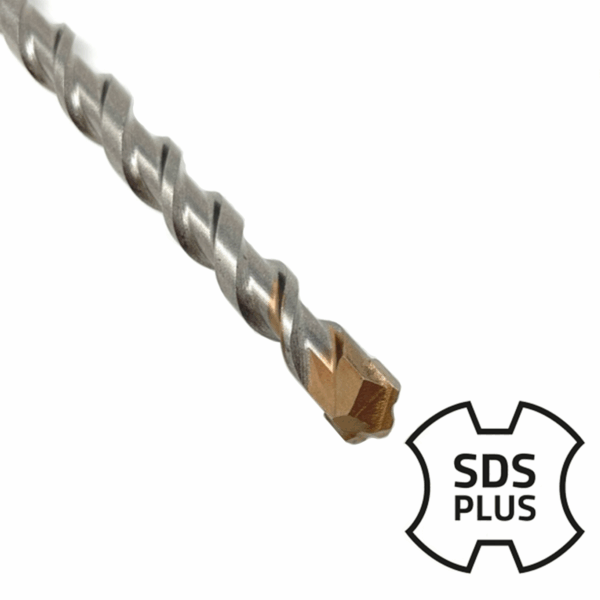
You can absolutely drill concrete with a regular masonry bit, but if you drill a lot of holes or work in very hard concrete, a concrete‑optimized bit will drill faster, run cooler, and last longer.
What is a multi‑purpose masonry drill bit?
Multi‑purpose masonry drill bits (often called "multi‑material" or "multi‑construction" bits) are designed to be the "one bit that does almost everything" for light trades and DIY users. They usually have a special carbide or carbide‑based tip geometry that allows them to drill:
Masonry: brick, block, light concrete, tiles, some stone.
Metal: thin steel, aluminum, and other common metals.
Wood: softwood and hardwood.
Plastics and composites.
Multi‑layer assemblies, such as tile over concrete, drywall over metal studs, or wood over masonry.
In other words, instead of changing bits every time the material changes, you can keep one multi‑purpose bit in the chuck and drill straight through several layers in one pass. This is especially handy when you do a lot of fixing work in finished interiors, where you often go through plaster, tile, adhesive, and concrete or brick behind.

Can you use a masonry drill bit on concrete?
Yes, you can. For many home projects, a basic masonry bit and a hammer drill are enough to drill a few small holes into a standard concrete wall or slab. The bit will gradually grind the concrete, and as long as you do not push too hard or overheat it, it will work.
However, there are limits:
In very hard or old concrete, the bit may slow down quickly and overheat.
Hitting large pieces of aggregate or rebar can damage the tip.
If you need to drill many holes in a row, a standard masonry bit will often wear out much faster than a concrete‑optimized bit.
If you only have a regular masonry bit and need a handful of small holes, you can usually get the job done by taking your time and letting the bit cool between holes.
Can you use a concrete drill bit on brick?
Yes. A concrete bit is still a masonry bit, so it will also drill brick, block, and mortar. For simple brickwork, it can be "more tool than you strictly need", but it will normally perform very well and last a long time.
Just keep in mind that:
The more aggressive the tip, the easier it is to chip brittle materials like decorative brick or tiles if you push too hard.
For delicate finishes, start with lower hammer intensity or even drill without hammer action until you are through the fragile outer layer.
When does a multi‑purpose masonry bit make sense?
Multi‑purpose masonry bits are particularly useful when:
You work on finished walls and ceilings where layers change (plasterboard, tile, adhesive, masonry, metal studs).
You do service, repair, or installation work and often do not know exactly what is behind the surface.
You want to carry a small set of bits instead of a full case for wood, metal, and masonry separately.
https://www.leidalandhart.com/what-is-a-masonry-drill-bit/
https://www.yc-tools.com/news/industry-news/choosing-the-right-masonry-drill-bit-a-comprehensive-guide-for-diyers-and-professionals.html
https://www.foxwoll.com/blogs/drill-bit-material-types/
https://www.tivoly.com/en/concrete-drilling-masonry
https://www.homedepot.com/c/ab/drill-bit-buying-guide/9ba683603be9fa5395fab9026af9044
https://www.irwintools.com/products/accessories/drilling-accessories/concrete-masonry-drilling-accessories
https://baddogtools.com/z-14pc-multi-purpose-drill-bits
https://www.facebook.com/groups/lowvoltagenation/posts/3069365163353292/
https://www.boschtools.com/us/en/masonry-concrete-drill-bits-43513-ocs-ac/
https://www.menards.com/main/dynamic-content.html?categoryId=19801&disableIFrameNavigation=true